We Work With All Insurances – No Hassle, No Delays, Just EXPERT WATER DAMAGE Restoration

Why Hidden Water Damage Can Become a Much Bigger Problem Than Most Homeowners Realize
Chrome Water Damage Experts
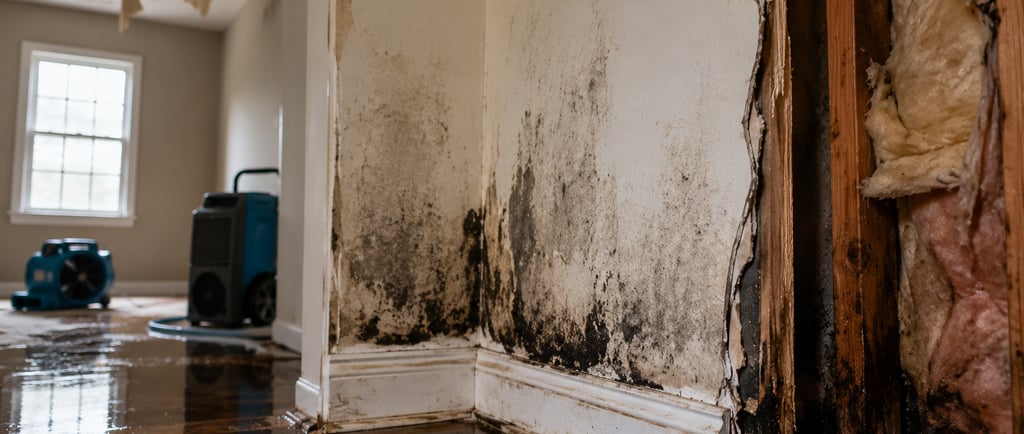
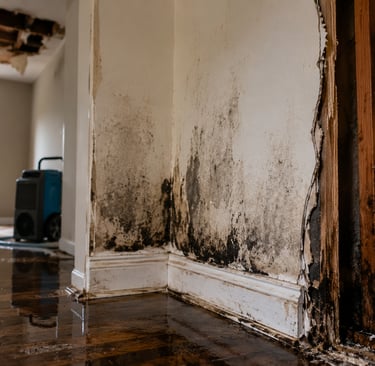
What Happens After Water Leaks Throughout Your Home?
When water leaks throughout your home, many homeowners naturally focus on cleaning up the visible mess first. Towels, fans, mops, and household cleaners may seem like enough to handle the situation, especially if the water appears minor at first glance. However, what many property owners don’t realize is that the most serious damage often happens where you cannot see it.
Water can spread far beyond the visible surface area. It may seep into drywall, insulation, flooring materials, subfloors, carpet padding, baseboards, and wall cavities within minutes. Even after visible water appears gone, hidden moisture can remain trapped inside building materials for days or weeks if the property is not professionally dried.
This hidden moisture can eventually lead to mold growth, structural deterioration, indoor air quality issues, and long-term property damage.
The Biggest Mistake Homeowners Make After Water Damage
One of the most common mistakes homeowners make is assuming that if the floor feels dry or the visible water has been cleaned up, the problem is solved.
Unfortunately, water damage is often much deeper than what appears on the surface.
Water can quickly travel:
Behind drywall
Under hardwood or laminate flooring
Into carpet padding
Along baseboards
Into insulation
Through ceiling cavities
Around electrical systems
Into framing and structural materials
This means a room that “looks dry” may still contain dangerous hidden moisture.
Without professional drying equipment and moisture detection tools, it can be extremely difficult to know how far the water actually spread.
What Happens When Water Sits Behind Walls?
Drywall and insulation absorb moisture very quickly.
Once water enters wall cavities, several problems can begin developing:
Mold growth
Wood rot
Drywall deterioration
Insulation damage
Musty odors
Paint bubbling
Structural weakening
Many homeowners don’t discover hidden wall moisture until weeks later when:
Dark stains appear
Walls begin warping
Paint peels
Musty smells develop
Mold becomes visible
By that point, the damage has often spread significantly.
Mold Growth Is One of the Biggest Concerns
Mold is one of the most serious risks associated with untreated water damage.
According to the City of Austin Mold Information Resources, mold can begin developing in damp environments very quickly when moisture is not properly removed.
Many types of mold thrive in:
Dark wall cavities
Wet carpet padding
Damp wood
Humid insulation
Poorly ventilated areas
Once mold begins spreading, it can become far more difficult and expensive to remove.
Signs Mold May Be Growing After Water Damage
Homeowners should watch for:
Musty or earthy odors
Dark spots on walls or ceilings
Peeling paint
Soft drywall
Warped flooring
Increased allergy symptoms
Persistent moisture smells
Discoloration near baseboards
Even if you cannot see mold, hidden colonies may still be developing behind surfaces.
Carpet Padding Often Holds Hidden Moisture
Many homeowners dry the top layer of carpet without realizing the padding underneath remains saturated.
Carpet padding acts almost like a sponge.
If not properly dried or removed:
Mold can develop underneath
Odors may worsen
Bacteria may spread
Subfloor damage can occur
This is especially common after:
Washing machine leaks
Water heater failures
Overflowing tubs
Storm flooding
Pipe bursts
Even when carpet feels dry on top, moisture underneath may still remain trapped.
Hardwood and Laminate Flooring Can Be Permanently Damaged
Standing water can quickly damage flooring materials.
Common issues include:
Swelling
Buckling
Warping
Cracking
Discoloration
Separation between boards
Water may also seep beneath the flooring surface and damage the subfloor below.
This hidden moisture often continues spreading even after visible water is removed.
Ceiling Water Damage Can Become Dangerous
Ceiling leaks are another major concern.
When water enters ceiling cavities:
Drywall weakens
Insulation becomes saturated
Mold can spread
Electrical hazards may develor
Large areas of trapped moisture can eventually create sagging or collapsing ceilings if left untreated.
Common causes include:
Roof leaks
HVAC leaks
Upstairs plumbing failures
Overflowing appliances
Storm damage
Water Damage Can Affect Indoor Air Quality
Hidden moisture and mold growth can negatively impact indoor air quality throughout the home.
This may contribute to:
Allergy symptoms
Respiratory irritation
Headaches
Strong odors
Worsening asthma symptoms
Homes with prolonged moisture issues often develop a damp or musty smell that becomes difficult to eliminate without proper remediation.
Why Fans and Towels Usually Are Not Enough
Many homeowners attempt DIY drying with:
Household fans
Towels
Mops
Portable heaters
While these may help remove surface moisture, they typically cannot:
Dry wall cavities
Remove hidden moisture
Detect trapped water
Fully dry subfloors
Stop mold growth
Professional restoration companies use:
Commercial dehumidifiers
Air movers
Moisture meters
Thermal imaging
Extraction equipment
Structural drying systems
These tools help remove moisture from areas homeowners cannot easily access.
Water Damage Can Spread Faster Than You Think
One of the biggest misconceptions is that water damage stays localized.
In reality, water can travel surprisingly far through:
Flooring gaps
Insulation
Framing
Subfloors
Drywall seams
A small leak in one room may eventually impact multiple areas of the property.
The longer moisture remains untreated, the larger the restoration project often becomes.
What Homeowners Should Do Immediately After Water Damage
If water leaks throughout your home, quick action is important.
Recommended steps:
Stop the water source if possible
Turn off electricity near affected areas if safe
Remove standing water
Move furniture and valuables
Increase airflow if possible
Avoid walking on saturated flooring
Contact a professional restoration company
Document damage for insurance purposes
Fast response can significantly reduce:
Mold risks
Structural damage
Restoration costs
Long-term moisture issues
Some Water Damage Is More Dangerous Than Others
Not all water damage is considered the same.
Clean Water
Examples:
Broken supply lines
Sink overflows
Appliance leaks
Gray Water
Examples:
Washing machine discharge
Dishwasher leaks
Black Water
Examples:
Sewage backups
Floodwater
Contaminated standing water
Black water can contain bacteria and harmful contaminants requiring specialized cleanup procedures.
Texas Storms and Flash Flooding Increase Risks
Central Texas weather can create sudden water damage situations very quickly.
Heavy rainfall and flash flooding may lead to:
Roof leaks
Foundation moisture
Flooding
Drainage overflow
Water intrusion around doors and windows
Homes in low-lying areas or older neighborhoods may face additional risks during severe storms.
Why Professional Moisture Detection Matters
One of the most important parts of restoration is moisture mapping.
Professional restoration teams often use:
Thermal imaging cameras
Moisture sensors
Humidity testing
Wall cavity inspections
This helps identify:
Hidden water pockets
Trapped moisture
Unseen damage
Areas at risk for mold growth
Without proper testing, many moisture problems remain undetected.
Insurance Companies Often Expect Proper Mitigation
Most insurance companies expect homeowners to take reasonable steps to prevent further damage after a water loss.
Failing to properly dry the property may:
Worsen damage
Increase repair costs
Complicate claims
Create secondary mold problems
Professional documentation and restoration reports can also help support insurance claims.
Long-Term Damage Can Become Expensive
Ignoring hidden moisture may eventually lead to:
Mold remediation
Flooring replacement
Drywall replacement
Framing repairs
Odor removal
Insulation replacement
Structural repairs
What begins as a “small leak” can sometimes become a major restoration project if moisture remains untreated.
Final Thoughts
Water damage is often far more serious than what appears on the surface. While towels and fans may help remove visible water, hidden moisture behind walls, under flooring, and inside carpet padding can continue damaging your home long after cleanup appears complete.
Mold growth, structural deterioration, poor indoor air quality, and long-term property damage are some of the biggest concerns homeowners should be aware of after any water intrusion event.
If your home experiences water damage from storms, leaks, flooding, or plumbing failures, fast professional drying and moisture detection can help reduce long-term risks and help protect both your property and your family’s health.
Call for a Free Consultation Anytime
Whether you need emergency water extraction, structural drying, or complete cleanup around Austin, Texas, our team is ready 24/7. We’ll walk you through every step, keep communication clear, and deliver a straightforward plan to restore your property quickly and efficiently.
Can hidden mold grow even after water is cleaned up?
- Yes. Moisture trapped behind walls, under flooring, or inside insulation can still lead to mold growth even after visible water is removed.
Why is water damage behind walls a concern?
- Hidden moisture behind walls can weaken drywall, damage insulation, create odors, and eventually lead to mold and structural problems.
How quickly should water damage be professionally dried?
- Water damage should be addressed as quickly as possible since mold and moisture issues can begin developing within 24 to 48 hours.
Chrome Water Damage Experts
Expert water damage restoration for your home or business.
© 2025. All rights reserved.






services


About Us