We Work With All Insurances – No Hassle, No Delays, Just EXPERT WATER DAMAGE Restoration

Rebuilding Your Home After Water Damage
Chrome Water Damage Experts
Rebuilding After Water Damage: What Homeowners Should Expect During the Restoration Process
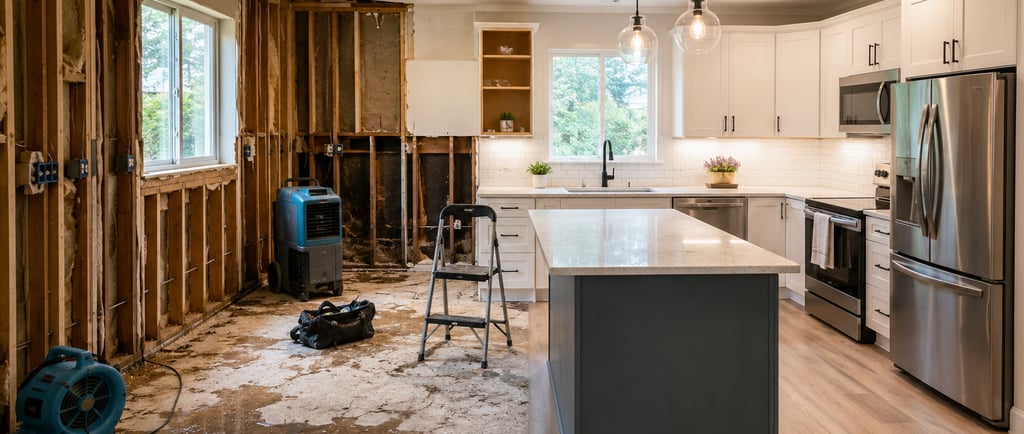
Experiencing major water damage inside your home can feel overwhelming. Between damaged flooring, wet drywall, ruined belongings, and the stress of dealing with insurance companies, many homeowners are unsure where to even begin. After the immediate emergency cleanup and drying process is complete, the next major step is rebuilding and restoring the property back to normal.
For many families, this phase can feel just as stressful as the initial water damage itself. Questions about repairs, timelines, insurance approvals, reconstruction, and hidden damage often create uncertainty during an already difficult situation.
The good news is that working with an experienced restoration company can help make the rebuilding process significantly easier and more organized. Understanding what happens during restoration and how insurance claims typically work can help homeowners feel more prepared and confident throughout the process.
The Restoration Process Begins After Drying Is Complete
Before rebuilding can begin, the affected areas must first be professionally dried and stabilized.
This often includes:
Water extraction
Structural drying
Moisture inspections
Removal of damaged materials
Mold prevention measures
Dehumidification
Only after moisture levels return to safe standards can reconstruction safely begin.
Attempting to rebuild too early may trap moisture behind walls or under flooring, which can eventually lead to mold growth, structural damage, and future repair problems.
What Parts of the Home Often Need Rebuilding?
Water damage can affect much more than what homeowners initially see on the surface.
Depending on the severity of the damage, rebuilding may involve:
Drywall replacement
Flooring replacement
Baseboards and trim
Cabinets and vanities
Insulation
Ceiling repairs
Paint and texture work
Structural framing
Electrical repairs
Plumbing repairs
In larger losses, entire rooms or sections of the home may require full reconstruction.
Hidden Water Damage Can Delay Repairs
One of the biggest reasons restoration projects sometimes take longer than expected is hidden moisture or concealed damage discovered during demolition.
Water often spreads behind:
Walls
Flooring
Cabinets
Insulation
Ceiling cavities
Once damaged materials are removed, restoration teams may uncover:
Mold growth
Rotting wood
Saturated insulation
Structural weakening
Damaged subfloors
Addressing these issues properly is important before reconstruction moves forward.
Understanding the Insurance Process After Water Damage
Many homeowners feel intimidated when dealing with insurance companies after a major water loss.
The process often includes:
Filing a claim
Scheduling inspections
Documenting damage
Reviewing repair estimates
Receiving approvals
Coordinating payments
This can quickly become stressful for homeowners already dealing with damage inside their home.
Why Proper Documentation Matters
One of the most important parts of the restoration process is documenting the damage thoroughly.
Professional restoration companies often help document:
Moisture readings
Damaged materials
Photos of affected areas
Structural damage
Drying progress
Repair estimates
This documentation can help support insurance claims and create a clearer understanding of the restoration scope.
Insurance Adjusters and Restoration Teams Often Work Together
After a claim is filed, insurance adjusters typically inspect the property to evaluate the extent of the damage.
Restoration companies often communicate directly with adjusters regarding:
Scope of work
Drying reports
Repair estimates
Hidden damage discoveries
Supplemental repairs
This coordination can help simplify communication for homeowners throughout the process.
Why Some Claims Become Complicated
Not every water damage claim is straightforward.
Complications may arise due to:
Delayed reporting
Long-term leaks
Pre-existing damage
Mold growth
Incomplete documentation
Coverage limitations
Disputes over repair scope
Having experienced restoration professionals involved early can often help reduce confusion and delays.
Rebuilding a Home Takes Coordination
Water damage restoration often involves multiple moving parts and contractors working together.
Depending on the project, reconstruction may involve:
Drywall crews
Flooring installers
Plumbers
Electricians
Painters
Cabinet specialists
Roofers
Mold remediation teams
Coordinating these services properly helps projects move more efficiently.
Why Homeowners Often Feel Overwhelmed
Many homeowners underestimate how disruptive water damage restoration can become.
Common concerns include:
Living around construction
Temporary relocation
Insurance uncertainty
Timeline delays
Dust and demolition
Protecting belongings
Unexpected repairs
This is why communication throughout the process is extremely important.
A Good Restoration Company Helps Simplify the Process
One of the biggest advantages of working with a full-service restoration company is having one team help guide the project from start to finish.
This may include:
Emergency cleanup
Drying services
Damage documentation
Insurance coordination
Reconstruction planning
Final repairs
Rather than homeowners trying to coordinate multiple contractors themselves, experienced restoration companies help streamline the process.
What Homeowners Should Ask During Restoration
Before hiring a restoration company, homeowners should ask questions such as:
Are you licensed and insured?
Do you provide full reconstruction services?
Do you work directly with insurance companies?
Will you provide moisture documentation?
How do you monitor drying progress?
What happens if mold is discovered?
Do you provide detailed repair estimates?
Understanding the process upfront can help prevent confusion later.
Water Damage Restoration Timelines Can Vary
Every water damage situation is different.
Smaller projects may take:
Several days to dry
One to two weeks for repairs
Larger losses may require:
Multiple weeks
Extensive reconstruction
Additional inspections
Specialized repairs
Insurance approvals and material availability can also affect timelines.
Mold Prevention Is Extremely Important During Rebuilding
One of the biggest concerns during reconstruction is ensuring hidden moisture has been fully removed before rebuilding begins.
Proper drying and monitoring help reduce the risk of:
Future mold growth
Musty odors
Wall damage
Flooring failure
Air quality problems
Skipping proper moisture detection can create long-term issues even after repairs appear complete.
Water Damage Can Affect Property Value
Untreated or improperly repaired water damage may eventually affect:
Home resale value
Inspection reports
Structural integrity
Indoor air quality
Buyer confidence
Professional restoration and proper documentation help demonstrate that repairs were handled correctly.
Why Fast Action Matters
The longer water damage sits untreated, the more extensive the restoration process often becomes.
Quick response can help reduce:
Structural damage
Mold growth
Demolition needs
Repair costs
Insurance complications
Fast professional drying is one of the most important steps in protecting your property after water intrusion.
Final Thoughts
Recovering from water damage involves much more than simply drying out wet areas. The rebuilding process often includes demolition, structural repairs, insurance coordination, moisture inspections, and reconstruction work that can feel overwhelming for many homeowners.
Having an experienced restoration company help guide the process can make a major difference in reducing stress and helping projects move more smoothly. From emergency cleanup and drying to insurance communication and final repairs, proper restoration helps ensure your home is safely rebuilt and protected from future problems.
The sooner water damage is addressed properly, the easier it is to prevent larger structural issues, mold growth, and long-term repair complications later on.
Call for a Free Consultation Anytime
Whether you need emergency water extraction, structural drying, or complete cleanup around Austin, Texas, our team is ready 24/7. We’ll walk you through every step, keep communication clear, and deliver a straightforward plan to restore your property quickly and efficiently.
How long does rebuilding take after water damage?
- The timeline depends on the severity of the damage, but most rebuilding projects begin after the property has been fully dried and moisture levels are considered safe.
Will my insurance company help cover water damage repairs?
- Many insurance policies may help cover sudden water damage events, but coverage can vary depending on the cause of the loss and the details of your policy.
Why is professional drying important before rebuilding begins?
- Proper drying helps reduce the risk of hidden moisture, mold growth, structural damage, and future repair problems behind walls and under flooring.
Chrome Water Damage Experts
Expert water damage restoration for your home or business.
© 2025. All rights reserved.






services


About Us