We Work With All Insurances – No Hassle, No Delays, Just EXPERT WATER DAMAGE Restoration

Can Hidden Mold From Old Water Damage Make You Sick?
Chrome Water Damage Experts
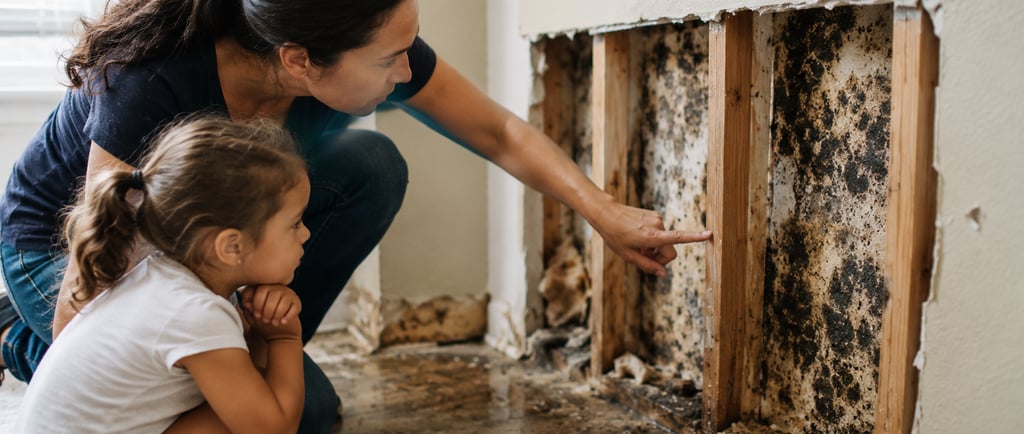
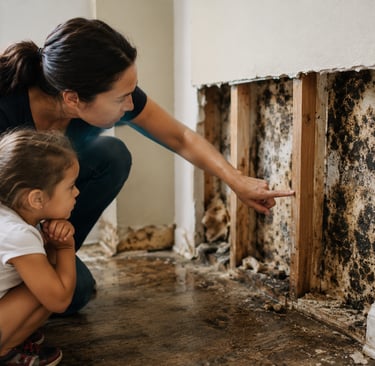
Why Hidden Mold Often Returns During the Summer
Many homeowners believe that once a water leak dries, the problem is over. Unfortunately, moisture trapped behind walls, beneath flooring, or inside insulation can allow mold to continue growing long after the original water damage occurred.
During the summer, warm temperatures and higher humidity create ideal conditions for hidden mold to spread inside wall cavities, attics, crawl spaces, and ceilings. Even if you no longer see water stains, mold may still be growing out of sight.
If your home experienced a roof leak, plumbing leak, appliance leak, flood, or air conditioner leak in the past, summer humidity can reactivate mold growth in areas that were never completely dried or repaired.
How Previous Water Damage Can Lead to Hidden Mold
Mold only needs three things to grow:
Moisture
Warm temperatures
Organic building materials
Previous water damage often leaves moisture trapped inside:
Drywall
Insulation
Wood framing
Subflooring
Ceiling cavities
Cabinets
Once summer humidity increases, these hidden areas can become ideal environments for mold colonies to continue growing.
Common Signs of Hidden Mold in Your Home
Hidden mold isn't always visible.
Watch for warning signs such as:
Musty or earthy odors
Persistent damp smells
Brown or yellow water stains
Bubbling paint
Peeling drywall
Soft walls or ceilings
Warped flooring
Discoloration around baseboards
Mold appearing around air vents
Often, the smell is the first indication that mold may be present behind walls.
Could Mold Be Contributing to Your Symptoms?
For some people, exposure to mold can contribute to allergy-like or respiratory symptoms, especially if mold is growing inside the home.
Possible symptoms may include:
Itchy eyes
Itchy throat
Sneezing
Coughing
Nasal congestion
Runny nose
Sinus irritation
Headaches
Wheezing in sensitive individuals
Worsening allergy symptoms
These symptoms can have many possible causes. If they persist or become severe, consult a qualified healthcare provider for evaluation.
Why Mold Is Often Hidden Behind Walls
One of the biggest challenges with mold is that it often grows where homeowners cannot see it.
Hidden mold commonly develops behind:
Drywall
Cabinets
Bathroom walls
Ceiling cavities
Attic insulation
Flooring
Baseboards
By the time mold becomes visible, it may have already spread throughout surrounding building materials.
Summer Humidity Can Make Existing Mold Worse
Even after a leak has stopped, elevated indoor humidity can provide enough moisture for mold to continue spreading.
During the summer, homes often experience:
Higher indoor humidity
Warm attic temperatures
Condensation
Reduced airflow inside wall cavities
These conditions allow existing mold colonies to expand much faster than during cooler months.
Why Professional Mold Inspections Matter
Many mold problems cannot be confirmed with a simple visual inspection.
Professional restoration companies use specialized equipment to identify hidden moisture and investigate areas where mold commonly develops.
This may include:
Moisture meters
Thermal imaging cameras
Humidity testing
Infrared inspections
Wall cavity inspections
These tools help locate hidden moisture without unnecessary demolition.
We Offer Free Mold Growth Reviews
If you've experienced previous water damage or suspect hidden mold inside your home, we provide free mold growth reviews to help identify potential problem areas.
Our team can inspect areas such as:
Wall cavities
Ceilings
Attics
Cabinets
Flooring
Crawl spaces
If signs of hidden moisture or mold are found, we'll explain your options and recommend the appropriate next steps.
How to Help Prevent Mold Growth
Homeowners can reduce the risk of mold by:
Repairing water leaks immediately.
Addressing water damage quickly.
Keeping indoor humidity below recommended levels.
Running exhaust fans in kitchens and bathrooms.
Scheduling moisture inspections after significant leaks.
Replacing water-damaged building materials when necessary.
The sooner hidden moisture is identified, the easier it is to prevent mold from spreading.
Frequently Asked Questions
Can mold grow months after water damage?
Yes. If moisture remains trapped inside walls, ceilings, insulation, or flooring, mold can continue growing long after the original leak, especially during warm and humid summer months.
What does hidden mold smell like?
Hidden mold often produces a musty, earthy, or damp odor. Even if you can't see mold, a persistent musty smell may indicate moisture or mold behind walls or beneath flooring.
Can mold cause itchy eyes and coughing?
Exposure to mold may contribute to symptoms such as itchy eyes, coughing, sneezing, nasal congestion, or throat irritation in some individuals, particularly those with allergies or sensitivities. These symptoms can also have many other causes, so consult a healthcare provider if they persist.
How do professionals find mold behind walls?
Restoration professionals use moisture meters, thermal imaging cameras, infrared technology, humidity testing, and wall cavity inspections to locate hidden moisture and investigate areas where mold may be growing.
Should I have my home inspected for mold after water damage?
Yes. If your home has experienced water damage, roof leaks, plumbing leaks, flooding, or appliance leaks, a professional inspection can help identify hidden moisture and mold before the problem becomes more extensive.
Final Thoughts
Hidden mold often develops after water damage that wasn't completely dried or repaired. During the summer, higher temperatures and increased humidity can accelerate mold growth inside walls, ceilings, and other concealed areas without obvious warning signs.
If you've noticed musty odors, recurring water stains, or unexplained moisture in your home, a professional inspection can help determine whether hidden mold may be present. Early detection allows problems to be addressed before they lead to larger repairs, poor indoor air quality, or more extensive structural damage.
Call for a Free Mold Growth Review
If you've had previous water damage or suspect hidden mold inside your home, our team offers free mold growth reviews throughout the Austin area. We can inspect wall cavities, ceilings, attics, flooring, and other hidden areas for signs of moisture and mold. If a problem is found, we'll explain your options and help you determine the best path toward restoring a safe and healthy home.
Chrome Water Damage Experts
Expert water damage restoration for your home or business.
© 2025. All rights reserved.







services


About Us