We Work With All Insurances – No Hassle, No Delays, Just EXPERT WATER DAMAGE Restoration

Can a Leaking Appliance Cause Water Damage in Your Home?
Chrome Water Damage Experts
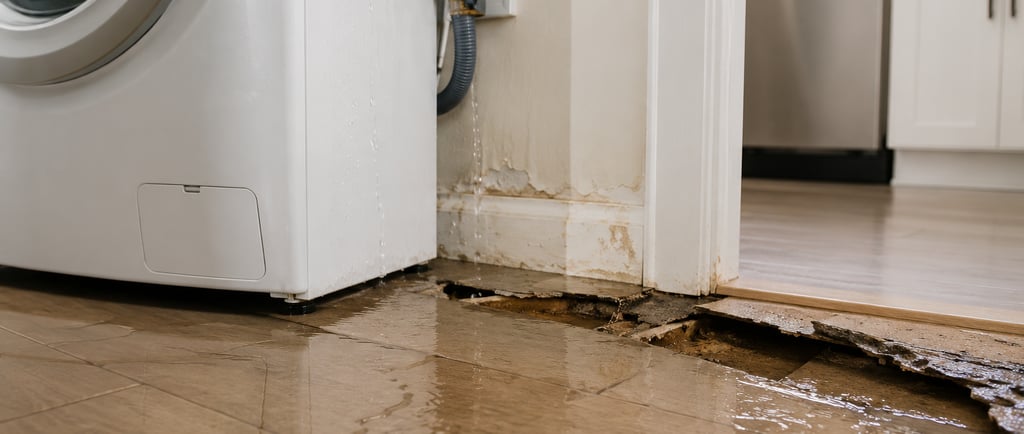
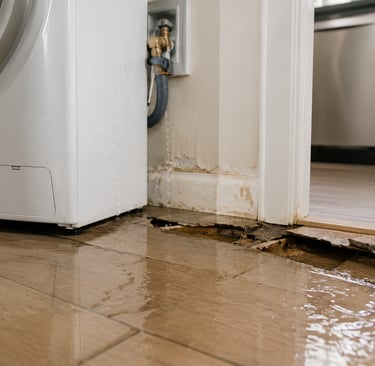
How Appliance Leaks Can Lead to Hidden Water Damage
Household appliances make everyday life easier, but when one develops a leak, it can quickly become a costly problem. A slow drip behind a washing machine, dishwasher, refrigerator, or water heater may go unnoticed for days or even weeks, allowing water to spread beneath flooring, inside cabinets, and behind walls.
Many homeowners don't discover appliance leaks until they notice warped floors, musty odors, mold growth, or visible water damage. Unfortunately, by that point, moisture may have already caused significant damage to your home's structure.
The good news is that recognizing the warning signs early and responding quickly can help prevent expensive repairs and reduce the risk of mold growth.
Which Household Appliances Commonly Leak?
Several appliances use water every day, making them common sources of hidden leaks.
The most common include:
Washing machines
Dishwashers
Refrigerators with ice makers
Water heaters
Water softeners
HVAC systems
Utility sinks
Garbage disposals
Even a small leak can release gallons of water over time.
Can Appliance Leaks Cause Mold?
Yes. Appliance leaks are one of the leading causes of hidden mold growth inside homes.
Water from a leaking appliance can soak into:
Hardwood flooring
Laminate flooring
Drywall
Cabinets
Baseboards
Subflooring
Insulation
Wall framing
If these materials remain wet, mold can begin developing in as little as 24 to 48 hours.
Why Small Appliance Leaks Become Big Problems
Many appliance leaks begin slowly.
A loose supply line or worn-out hose may drip only a few ounces of water each day, but over several weeks, that moisture can spread throughout surrounding materials.
Because much of the damage occurs underneath flooring or behind cabinets, homeowners often don't realize a problem exists until repairs become much more extensive.
Common Causes of Appliance Leaks
Appliance leaks can happen for many reasons, including:
Worn supply hoses
Loose water connections
Cracked drain lines
Broken door seals
Rusted water heaters
Failed water valves
Clogged drain lines
Aging appliances
Regular maintenance can help identify these problems before they cause water damage.
Signs You May Have a Hidden Appliance Leak
Watch for these warning signs:
Water pooling around appliances
Soft or warped flooring
Cabinet damage
Musty odors
Mold or mildew
Bubbling paint
Loose flooring
Unexpected increases in your water bill
Water stains on nearby walls
These symptoms often indicate moisture has been present for longer than expected.
Hidden Water Damage Can Spread Quickly
Water doesn't always stay where the leak begins.
It can travel beneath:
Kitchen cabinets
Bathroom vanities
Flooring
Walls
Baseboards
Adjacent rooms
By the time visible damage appears, water may have already affected structural materials throughout the area.
Why Professional Moisture Inspections Matter
Surface drying alone doesn't remove hidden moisture.
Restoration professionals use specialized equipment to locate water trapped inside building materials.
This often includes:
Moisture meters
Thermal imaging cameras
Hygrometers
Infrared inspections
Moisture mapping
These tools help identify damage that can't be seen with the naked eye.
Why Fast Drying Helps Prevent Mold
The first 24 to 48 hours after an appliance leak are critical.
Professional drying helps:
Reduce mold growth
Protect cabinets
Save flooring
Prevent wood rot
Improve indoor air quality
Reduce reconstruction costs
The sooner moisture is removed, the greater the chance of saving building materials.
How to Prevent Appliance Water Damage
Routine maintenance is one of the best ways to avoid appliance leaks.
Homeowners should:
Inspect water supply hoses regularly.
Replace aging rubber hoses with braided stainless-steel lines.
Check around appliances for moisture.
Clean dishwasher and refrigerator drain lines.
Flush water heaters as recommended.
Replace worn seals and valves.
Address even small leaks immediately.
Preventive maintenance is much less expensive than repairing water damage and mold.
What to Do If an Appliance Starts Leaking
If you discover water around an appliance:
Turn off the appliance.
Shut off the water supply if possible.
Remove standing water immediately.
Move furniture or belongings away from affected areas.
Contact a professional water damage restoration company.
Avoid waiting to see if the area dries on its own.
Quick action can significantly reduce the amount of damage.
Frequently Asked Questions
Can a leaking appliance cause mold?
Yes. Water from a leaking appliance can soak into flooring, cabinets, drywall, and insulation. If these materials remain wet for more than 24 to 48 hours, mold may begin developing.
Which appliance is most likely to cause water damage?
Washing machines, dishwashers, refrigerators with ice makers, and water heaters are among the most common household appliances that cause water damage due to leaks or failed water lines.
How do I know if I have a hidden appliance leak?
Signs include musty odors, warped flooring, cabinet damage, peeling paint, mold, higher water bills, or water stains near appliances.
Can a slow leak damage my home's foundation or subfloor?
Yes. A slow leak can saturate the subfloor, weaken structural materials, and eventually lead to wood rot, mold growth, and costly repairs if left untreated.
Should I replace flooring after an appliance leak?
Not always. Whether flooring can be saved depends on the type of flooring, how long it remained wet, and whether moisture has reached the subfloor. A professional moisture inspection can determine the best course of action.
Final Thoughts
A leaking appliance may seem like a minor inconvenience, but even a slow drip can lead to significant water damage, mold growth, and expensive repairs if left untreated. Because much of the damage occurs behind walls, beneath flooring, or inside cabinets, homeowners often don't discover the problem until it has spread well beyond the original leak.
Responding quickly with professional water extraction, moisture detection, and structural drying can help protect your home, reduce repair costs, and prevent long-term damage. Regular appliance maintenance and early leak detection remain the best defenses against unexpected water damage.
Call for a Free Consultation Anytime
If you've discovered water around a household appliance or suspect a hidden leak inside your home, our team is available 24/7 throughout the Austin area. We provide emergency water extraction, structural drying, moisture inspections, mold prevention, and complete restoration services to help protect your property and restore your home as quickly as possible.
Chrome Water Damage Experts
Expert water damage restoration for your home or business.
© 2025. All rights reserved.






services


About Us