We Work With All Insurances – No Hassle, No Delays, Just EXPERT WATER DAMAGE Restoration

Can a Leaking Air Conditioner Cause Mold in Your Home?
Chrome Water Damage Experts
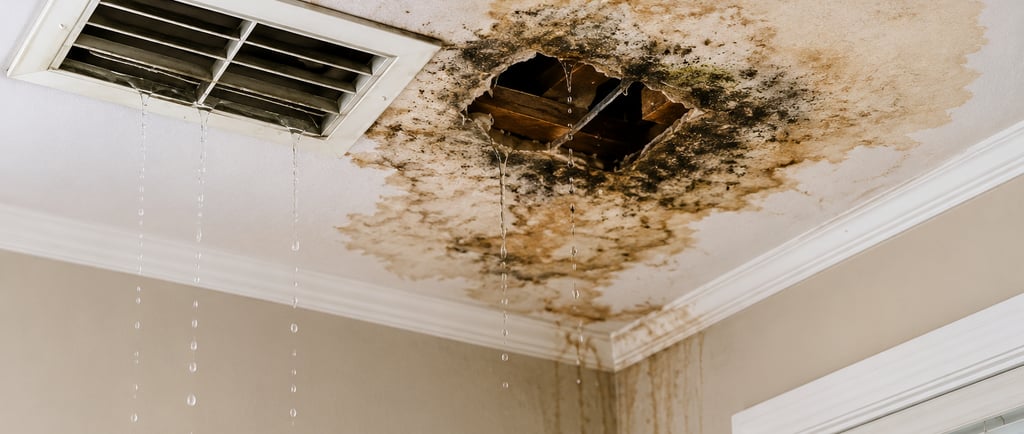
AC Leaks in Summer: Why Ceiling Water Leaks Can Quickly Lead to Mold Growth
When your air conditioner is running constantly during the summer, it's removing gallons of moisture from the air every day. If that water isn't draining properly, it can leak into your ceiling, attic, or walls, creating the perfect environment for mold growth.
Many homeowners assume a small ceiling stain is only a cosmetic issue. In reality, even a slow AC leak can saturate drywall, insulation, and wood framing. Combined with warm summer temperatures and high humidity, mold can begin growing in as little as 24 to 48 hours.
If you notice water spots on your ceiling or water around your indoor AC unit, addressing the problem immediately can help prevent expensive repairs and potential indoor air quality issues.
Why Do Air Conditioners Leak More During the Summer?
Air conditioners naturally produce condensation as they remove humidity from your home. During extreme heat, your system runs longer, producing much more water than it does during cooler months.
Common reasons an AC begins leaking include:
Clogged condensate drain line
Dirty air filter restricting airflow
Frozen evaporator coil that later melts
Cracked or rusted drain pan
Broken condensate pump
Improper HVAC installation
Lack of routine maintenance
Summer is when these issues are most likely to appear because your system is operating at its highest capacity.
Can an AC Leak Cause Mold?
Yes. An AC leak is one of the most common causes of hidden mold growth inside homes.
Water leaking from an air conditioning system often soaks into:
Ceiling drywall
Attic insulation
Wood framing
Interior walls
Flooring
HVAC ductwork
If these materials remain damp, mold can begin growing quickly.
Many homeowners never realize mold is present until they notice a musty smell, discoloration, or worsening water damage.
Why AC Condensate Water Isn't Always Clean
Many people think the water dripping from an air conditioner is clean because it's simply condensation.
However, condensate often carries contaminants such as:
Dust
Dirt
Pollen
Organic debris
Bacteria
Biofilm from the drain line
When this moisture soaks into porous building materials, it creates an excellent food source for mold.
How Summer Heat Speeds Up Mold Growth
Mold needs three things:
Moisture
Warm temperatures
Organic material
Summer provides all three.
High attic temperatures, elevated humidity, and continuous moisture from an AC leak allow mold colonies to spread much faster than many homeowners expect.
This is why professional drying should begin as soon as possible after discovering a leak.
Signs Your AC May Be Leaking Into the Ceiling
Watch for these warning signs:
Brown or yellow ceiling stains
Water dripping from ceiling vents
Bubbling or peeling paint
Soft drywall
Musty odors
Damp insulation
Water around your indoor HVAC unit
Increased indoor humidity
Even if the leak appears small, water may already be spreading behind the ceiling or inside walls.
Hidden Water Damage Is Often Worse Than Visible Damage
The stain on your ceiling is rarely the full extent of the damage.
Water commonly spreads through:
Ceiling cavities
Wall framing
Insulation
Floor joists
HVAC ducts
Professional moisture inspections help locate hidden water before reconstruction begins.
Without proper drying, trapped moisture can continue damaging your home long after the visible leak disappears.
How Professionals Detect Hidden Moisture
Restoration companies use specialized equipment to find moisture that isn't visible.
This often includes:
Moisture meters
Thermal imaging cameras
Infrared scanning
Hygrometers
Moisture mapping
These tools help determine whether water has spread beyond the visible ceiling stain.
Why Fast Drying Helps Prevent Mold
The first 24 to 48 hours after a leak are critical.
Professional drying helps:
Reduce mold growth
Protect drywall and insulation
Prevent wood rot
Reduce demolition costs
Improve indoor air quality
Limit structural damage
Waiting several days to address an AC leak often results in more extensive restoration work.
How to Prevent AC Leaks During the Summer
Routine HVAC maintenance is the best way to reduce the risk of leaks.
Homeowners should:
Replace air filters regularly.
Keep condensate drain lines clear.
Schedule annual AC maintenance.
Inspect the drain pan for rust or cracks.
Watch for ceiling stains or musty odors.
Address small leaks immediately.
Preventive maintenance is significantly less expensive than repairing water damage and mold.
Frequently Asked Questions
Can a leaking air conditioner cause mold?
Yes. Moisture from an AC leak can soak into drywall, insulation, and wood framing. In warm summer conditions, mold may begin growing within 24 to 48 hours if the area is not properly dried.
Why is my AC leaking through the ceiling?
A ceiling leak is often caused by a clogged condensate drain line, a damaged drain pan, a frozen evaporator coil, or a failed condensate pump. The water overflows and follows the path of least resistance until it appears on the ceiling below.
Is AC condensate water dirty?
Although condensate begins as water vapor, it often collects dust, pollen, bacteria, and biofilm while moving through your HVAC system. Once it saturates drywall or insulation, it can contribute to mold growth.
How quickly can mold grow after an AC leak?
Under warm and humid summer conditions, mold can begin growing within 24 to 48 hours if wet materials are not properly dried.
Should I replace drywall after an AC leak?
It depends on how long the drywall remained wet and whether mold developed. A professional moisture inspection can determine whether the drywall can be dried or should be removed and replaced.
Final Thoughts
A leaking air conditioner is more than an inconvenience. During the summer, even a small ceiling leak can quickly lead to hidden water damage, mold growth, and costly repairs. The combination of moisture, warm temperatures, and organic building materials creates ideal conditions for mold to spread behind walls and ceilings before visible signs appear.
The best way to protect your home is to act quickly. Prompt water extraction, professional drying, and a thorough moisture inspection can help stop mold before it starts, preserve your home's structure, and reduce the overall cost of repairs.
Call for a Free Consultation Anytime
If you've discovered a ceiling leak, water around your AC unit, or signs of water damage in your home, our team is available 24/7 throughout the Austin area. We provide emergency water extraction, structural drying, moisture inspections, mold prevention, and complete restoration services to help protect your home and restore it safely.
Chrome Water Damage Experts
Expert water damage restoration for your home or business.
© 2025. All rights reserved.






services


About Us